
False opportunities
Author: GianAlberto Zanoletti
01/01/2020
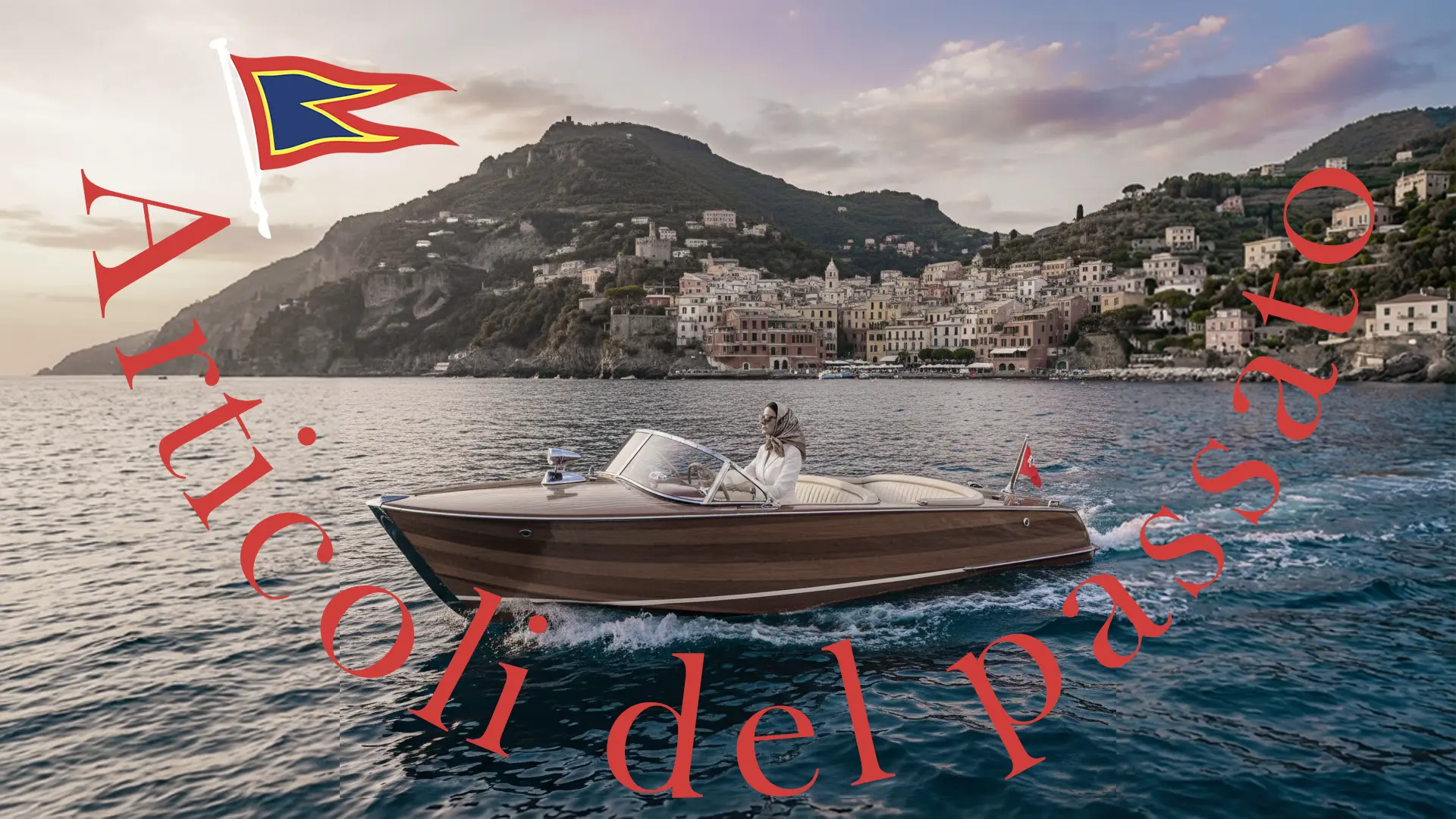
Is it better to have a ‘vintage’ hull or a floating wreck?
It’s easy to fall into the ‘fake deal’ trap by picking a boat that’s ‘seaworthy’ on paper. Once the restoration is finished, you realize it cost just as much as rebuilding one that looked like total junk.
This month’s topic is ‘fake deals’, a subject very close to my heart due to some past experiences. One of which was recent, and particularly painful.
The premise is clear: a restoration must be carried out scrupulously, so that the passionate owner can truly appreciate the boat’s qualities—rather than just for speculative resale. For the latter, a simple ‘lipstick job’ or a ‘quick spruce-up’ would suffice.
To illustrate this concept of a ‘fake deal’, we should compare two types of used boats. The first is complete and functional; you’d restore it if you wanted perfection, but you could also use it as-is, provided you’re okay with it being a bit ‘tired’. The second is also complete but neglected—it looks like a wreck. It’s not a total disaster, but the engine, upholstery, and chrome need a full overhaul, and the entire hull requires a re-spray.
Naturally, the latter implies a hefty restoration bill. Due to its poor condition and, above all, its shabby appearance, its starting value is very low. The first type, however, presents itself much better: not only that, but it is also seaworthy. On the market, its price tag is significantly higher than the second one—even four or five times as much—a price that seems like a bargain because it is still far below the cost of a new boat.
However, we need to take a much closer look and examine the situation with extreme caution.
The fact that she is ‘tired’ means she has seen a lot of sea time or, at the very least, has spent too long in the water. Although she is still seaworthy, she likely hides faults in the hull or needs the bottom completely replaced. Once you strip the bottom, you’re almost certain to find ribs that need changing, and perhaps sections of the keel or stringers that are no longer sound. They might still hold for now, but when in doubt, you decide to replace them. The same goes for the upholstery: it’s all there, but it looks shabby. While acceptable now on an imperfect boat, it would clash terribly with the brilliant finish of a restored hull; so, taking advantage of the woodwork being revarnished, you end up replacing the interiors as well.
If the upholstery is faded, it means the hull has spent significant time outdoors, exposed to both scorching sun and rain. These are two lethal elements for the exterior finishes and the seat frames themselves. This is why this part of the boat, too, must be fully restored.
Then there’s the chrome work, which looks decent enough at first glance. But if you examine it closely, you realize that sections of the plating are missing and some profiles have taken a few dings and dents. This means that besides re-chroming, you also need to straighten them out. And so, you end up straightening and re-plating every single piece.
It’s the same story with the varnish: it could just be touched up, but the result would be mediocre at best. But we want to do right by our beloved boat; we won’t settle for just a few fresh coats. To make her as perfect as we desire, we have to strip her back to bare wood.
In the end, the final restoration costs for both boats—the ‘wreck’ and the ‘seaworthy’ one—are practically the same. That is, of course, if you want a high-quality result that truly satisfies you.
With one key difference: the ‘near-wreck’ was purchased for a fraction of the price of the ‘almost-ready’ boat. From this perspective, the latter truly reveals itself for what it is: a ‘fake deal’.